How much does it cost to remove a tree?
Typical U.S. prices run from about $150 for a small tree to $3,000 or more for a large one. Access, height, and tree health change the number. Get written quotes to compare.
Request an estimate from local providers
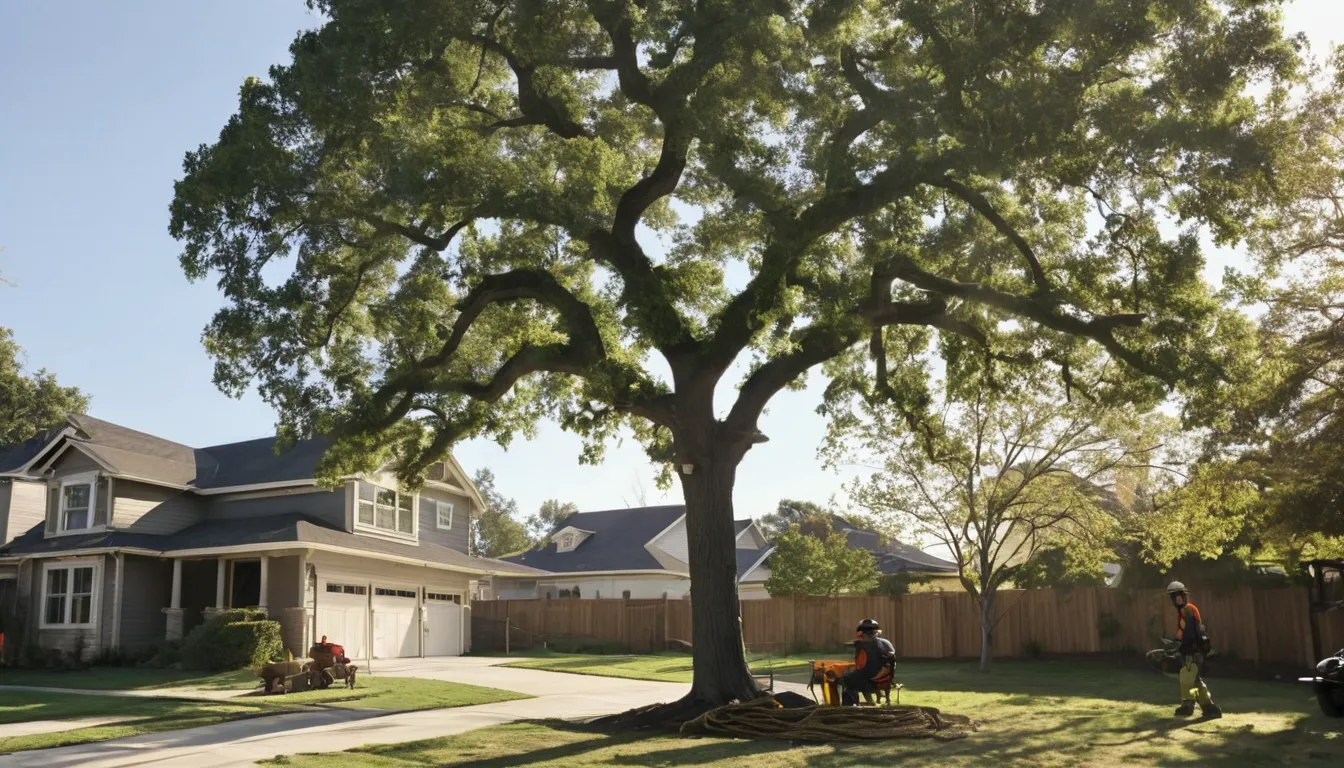
Taking down a tree for the first time can feel like a big, risky purchase. The work is heavy, the equipment is costly, and prices vary a lot. Generatedwayne Tree Service is a referral service. We explain the basics in plain words, then connect you with independent providers in our network.
The providers do the work, not Generatedwayne Tree Service. Each one sets its own price, schedule, and crew. That is why we suggest you compare written quotes before you choose. Know the price drivers, ask before you commit, and pick the job that fits your yard and your budget. Homeowners across the Waukegan area use this page as a starting point.
Start with safety. A tree that is leaning hard, split, or touching your house needs attention before anything else. Keep people and cars away from it. Do not try to cut it yourself.
Request a callback to check provider availability for urgent jobs.
Some problems cannot wait for a slow season. Look for these:
If a tree is down or hanging after a storm, see our emergency tree removal page instead.
Most removals fall into a few groups. The tree is dead or sick. It is too close to the foundation or a sewer line. Roots are cracking a walkway. Or the yard needs sun for a garden or an addition.
Cold winters with deep frost, summer thunderstorms, and hail can all weaken a tree over the years. Older frame houses and ranch homes often sit close to mature trees, so small problems can turn into roof problems.
The price comes down to risk and effort. Height and trunk width matter most. Next comes access: a tree in an open yard costs less than one boxed in by a fence, a pool, or a house.
Add the cost of hauling, wood chips, and stump work. Dead or rotting wood can also raise the price because it is less safe to climb.
Get at least two or three quotes in writing. A good quote names the tree, the exact work, and what happens to the debris. It should say whether stump grinding is included.
Do not choose on the smallest number alone. A vague quote can hide extra charges later.
You can safely move patio furniture, clear small items from the yard, and park cars away. You can also take photos of the tree for quotes.
Leave the cutting to the pros. Felling a tree takes climbing gear, rigging, and chain saws used under load. One wrong cut can drop a limb on a roof or a person. A tree falling service has the training and insurance for this work, so ask the provider about both.
A provider looks at the tree and the space around it. The crew sets up safety zones and protects lawn and fences when needed. Climbers or a lift take the tree down in sections, or fell it whole if there is room.
Then the wood is cut up, hauled off, or left as logs if you ask. Small trees may take a couple of hours. Large ones can take a full day or more.
Cutting a tree leaves a stump. Stump grinding turns it into chips below the surface so you can plant grass or build over the spot. Ask for it in the same quote. Booking it with the removal often costs less than a separate visit later.
If you leave the stump, it may sprout or attract pests. Plan on it rotting slowly for years.
Some cities and towns protect certain trees, especially large ones or those near the street. Others ask for a permit or a notice first. Rules also differ for trees on a shared property line.
Check with your local city office or HOA before booking. Providers in our network can often tell you what is usually needed.
Ask a few plain questions before you commit:
Real providers will answer clearly and put it in writing.
Some policies may cover sudden damage from a fallen tree. Routine removal of a healthy tree is usually not covered. Check your policy and ask your agent first. Providers can often help document damage for a claim.
Move cars out of the driveway and off the street if needed. Clear a path to the tree. Take down anything fragile from nearby walls. Tell neighbors about the noise and the crew.
Keep pets inside. Be reachable so the crew can ask questions on site.
Winter work can be easier on lawns because frozen ground holds heavy equipment. Spring flooding can leave soil too soft for trucks. Busy storm seasons also fill provider calendars, so booking early may give you more choices.
Request a callback to ask about the next openings in your area.
Walk the yard with the provider and check the cleanup. Fill the stump hole with soil and reseed in the right season. Keep the wood chips for garden beds.
Consider planting a smaller tree farther from the house, with room to grow. It can help shade and curb appeal for years.
If wind or hail has already dropped a tree on your house or fence, storm tree clearance has its own steps and pricing. That work is urgent and often more dangerous, so it has its own page.
A provider cuts the tree down in sections or whole, depending on the space around it and nearby buildings.
Large branches are lowered with ropes so they do not hit your roof, fence, or garden.
Ask for brush, logs, and chips to be hauled away or left on site. Confirm this in writing.
Choose stump grinding or leave the stump. Get the price listed so there are no surprises.
These are typical U.S. ranges and vary by job. Size, access, and tree health move the price. Compare written quotes before you decide, and ask what each quote includes.
| Item | Typical range | Notes |
|---|---|---|
| Small tree (under 30 ft) | $150 – $500 | Easy access, quick cut and haul-off |
| Medium tree (30–60 ft) | $400 – $1,200 | Often needs climbing gear or a lift |
| Large tree (over 60 ft) | $1,000 – $3,000 | More rigging, time, and crew size |
| Hard-to-reach tree | $800 – $2,500 | Fences, pools, or tight yards add cost |
| Stump grinding | $100 – $500 | Price depends on stump width and roots |
| Debris haul-off | $75 – $400 | Sometimes included in the main quote |
Tell us about the tree, its size, and where it stands so providers can size up the job.
Review the price, scope, cleanup, and stump details from each provider side by side.
Choose the one that fits your budget and answers your questions clearly.
The provider's crew handles the cutting and cleanup while you keep clear of the work zone.
We explain price drivers and quote details in plain words before you contact anyone.
Providers set their own prices and schedules, so you can compare real options.
Our tips help you spot vague quotes and ask about extras before you commit.
Requesting an estimate does not lock you in. You decide who, if anyone, to hire.
Tell us about your tree and where it stands. A provider in our network can follow up with questions and a written quote, with no obligation.
No obligationTypical U.S. prices run from about $150 for a small tree to $3,000 or more for a large one. Access, height, and tree health change the number. Get written quotes to compare.
Small shrubs and low branches may be safe for a careful homeowner. Anything tall, near a house, or near power lines should go to a trained provider with the right gear.
It depends on where you live. Some areas protect large or street-side trees, and HOAs may have rules too. Check with your local city office before the work is booked.
Tell us about your tree and where it stands. A provider in our network can follow up with questions and a written quote, with no obligation.
No obligation